Field recording aims to capture a moment in motion, a collection of phenomena coexisting within the same flow.
I would like to approach this practice through the lens of time. While the visual arts have long been the dominant means of representing life, memory, and lived experience, sound maintains a more unstable relationship with reality and offers a different experience of time. Where the image cuts, sound flows and seems inseparable from duration.
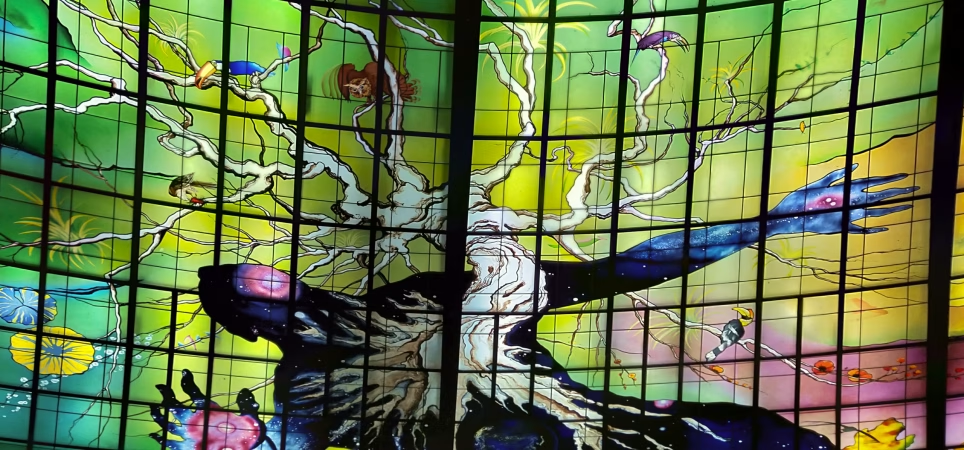
It was through the experience of listening and recording that certain intuitions about time came to me. From the present moment of recording to its past when listened to again, and even to its anticipated future. Sound appears to be cut from a continuous movement, within which there seems to exist a subtle interval where consciousness may situate itself. This evokes an intuition close to the Stoic conception of time, to which consciousness merely attunes itself.
But each recording also reveals its irreducible singularity. Birdsong, vehicles, voices. These form a series of particular moments, closer to Kierkegaard’s intuition of time, where existence appears as a succession of singular instants.
What field recording produces, then, lies between these two perspectives: it captures a continuous, living flow while reducing it to a particular instant that can never be reproduced exactly.
I want to explore the time we capture through our recordings, not conceptually but rather nominally, focusing on a time rather than time itself. A fluid time, not in the sense of a regular flow, but of a more unstable and variable movement, irregular by nature. Time as in Marcel Proust’s In Search of Lost Time, where time is a lived experience.
It is in this gap between time as a concept and time as experience that my field recording practice began. Almost four years ago, I decided to buy my first field recorder. The context was somewhat unusual for me. It was 2022, and I was in Kaohsiung. It was my first experience of living outside Europe. As a rather homebody, not very social 24-year-old student who had spent practically all his life in Europe, always close to my family and friends, I found myself in a situation where my ability to communicate in English and Chinese was very limited, which made things quite challenging. At the time, I was taking Mandarin classes alongside my studies in computer music. I had obtained a scholarship allowing me to stay for three months at a Taiwanese university.
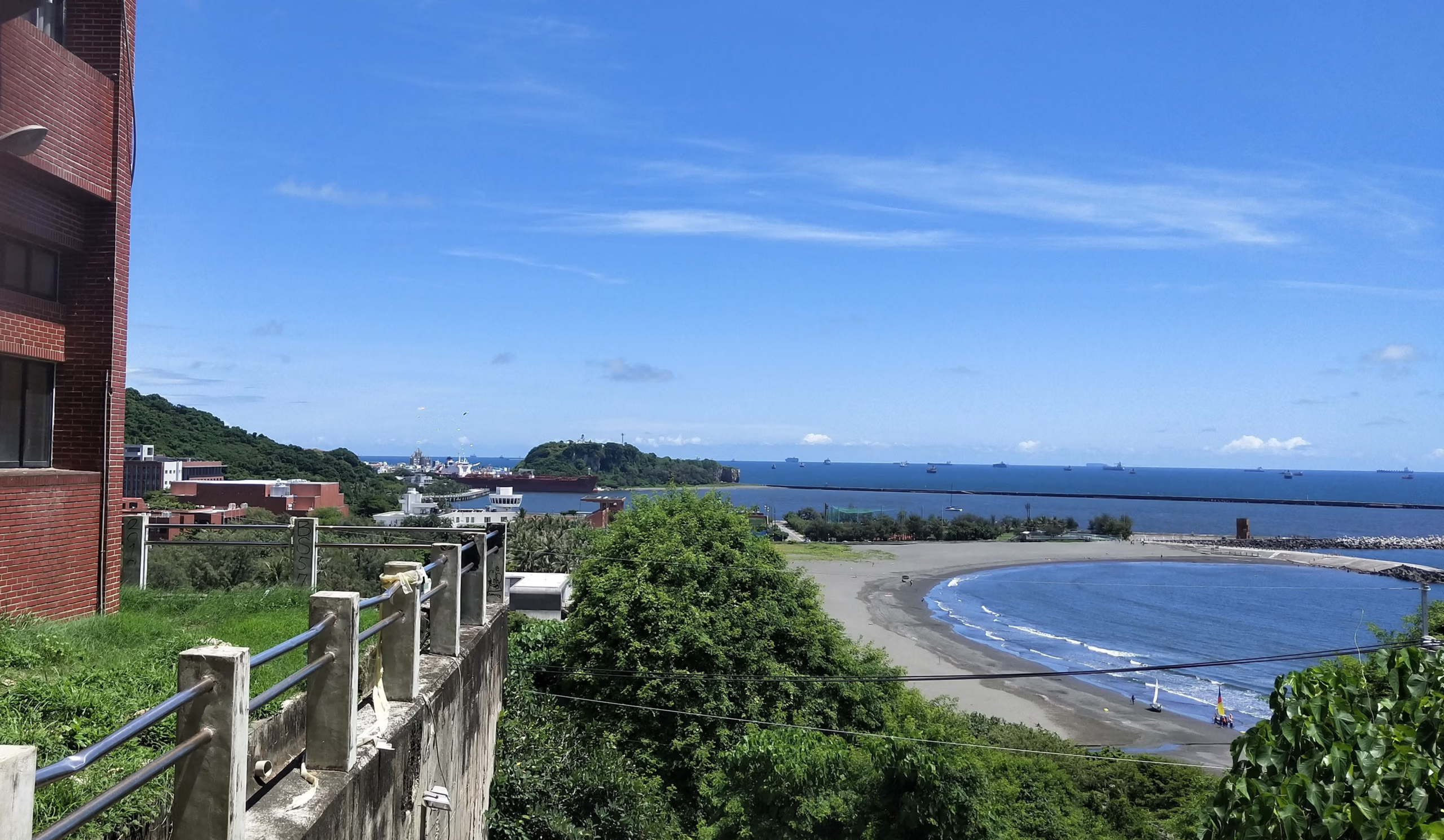
At that time, I experienced something that many people have likely gone through while traveling, or more generally during a long journey. It’s often described as a “honeymoon phase,” the first phase of the four seasons of expatriation. It could be described as a feeling where culture shock and constant discovery feel less like a challenge and more like a source of wonder. Cultural and environmental differences become highly stimulating; everyday routines lose their ordinariness, and each moment becomes an experience in itself, difficult to capture in writing. I found myself suddenly out of my routine, having gone from being someone sitting in front of a computer to someone who spent most of their day going out without any particular purpose. After all, we are beings driven by curiosity.
I was living through a time I wished could last forever. A time that felt both pleasantly long and deeply enjoyable. I experienced an instant melancholy for a moment I was currently living. That I knew would be unique in my life. A time when every street, every journey, every conversation seemed to contain more than what met the eye.
A week after arriving in Kaohsiung, and after researching the type of equipment that would suit me, I bought my first field recorder. Naturally thrilled with my new purchase, I headed to one of Kaohsiung’s many parks to conduct my first tests. Once I overcame my shyness and the stares of others (you rarely go unnoticed when you have a device with a deadcat), I realized that field recording cannot be reduced to simply pressing the “record” button, but that it engages both the body and the mind of the recorder.
The body, first of all, because the need to avoid degrading the recording with any sounds we might produce forces us to slow our movements and adopt the posture of an observer. Then the mind, because of the change in how we inhabit the space once the REC button is pressed.
In my opinion, our hearing is just as engaged as the microphones doing the recording. An opening to the surrounding environment seems to occur. Sounds that would normally pass through us unnoticed suddenly take on importance, not because they are exceptional, but because of a presence that had previously remained hidden.
Our relationship with the world is changing. Time seems to stand still, and listening takes precedence over our actions, our thoughts. The constraints of daily life seem to be put aside. During these minutes of recording, the worries that occupy and trouble us gradually fade away, giving way to what reaches us from our environment.
It was during these first recordings that I understood the full strangeness of this practice. Beyond the technical necessity of such recordings for audiovisual works, sound design, and other creative projects, they primarily provide a feeling of coming into contact with the world’s own temporality. This impression seems all the more important to me today as our experiences of time are increasingly shaped by artificial systems, far removed from what I might somewhat awkwardly call a more genuine experience of time.
Field recording now occupies an important place in my life. This practice confronts us with a reality that cannot be entirely controlled or reproduced. As much as it teaches us to experience time, it also teaches us to hear the time of things. Once we return home to listen to our recordings, we not only hear the moment in which a recording was made, but also the era that made it possible. Whether urban activity, or natural landscapes, these sounds carry traces of the past while revealing something of the present, and they already contain the signs of the changes yet to come. These elements carry the traces of men, builders, landscapers, architects, engineers, drivers, craftsmen.
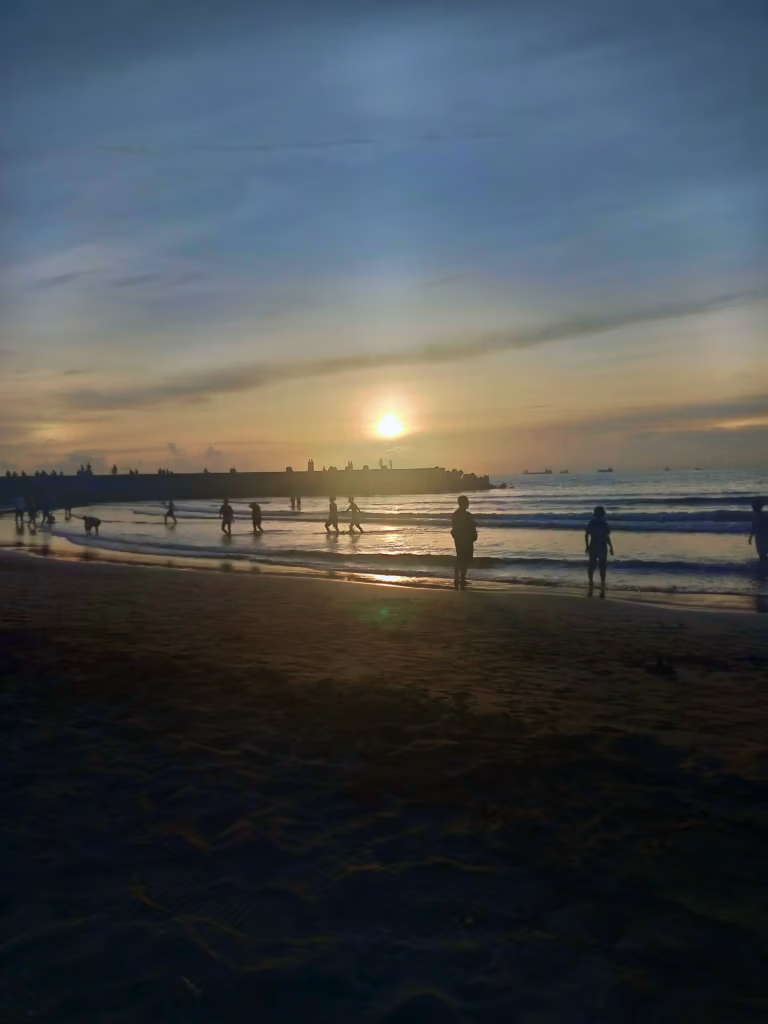
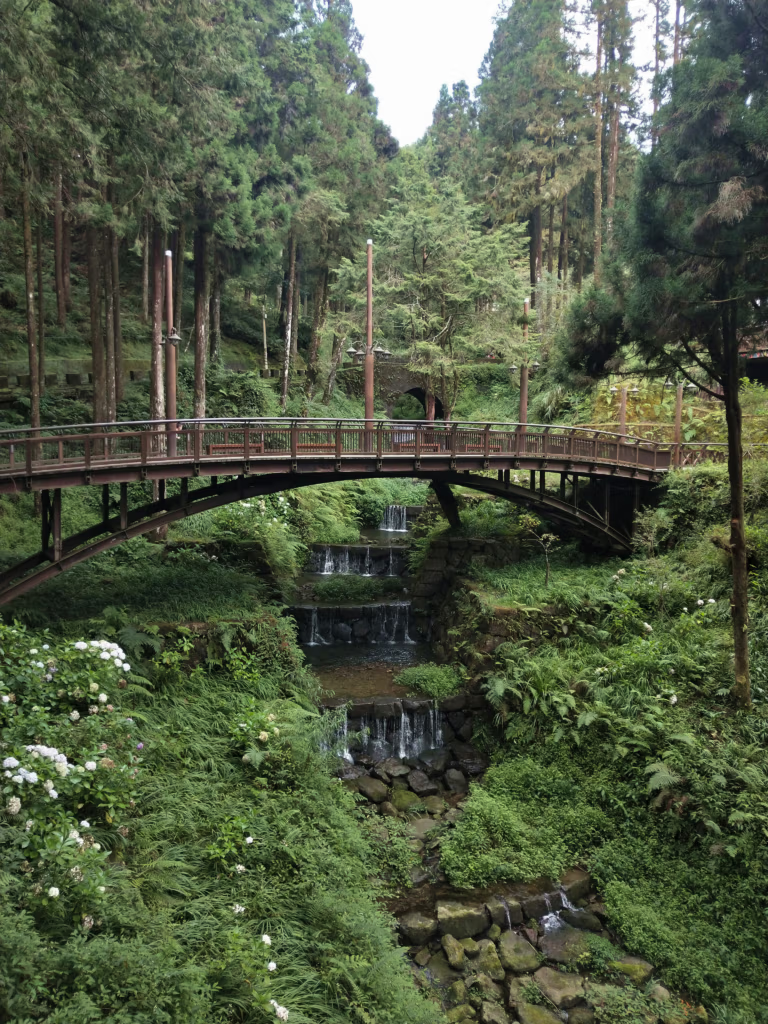
A field recording never captures only the present of a place; it also records the traces of what came before and the signs of what will one day disappear. It records the time of human work, for others it records the natural evolution of landscapes, rocks, land and animals. This practice transforms the way we inhabit and listen to time, making us attentive both to the stories places tell and to our own presence within the world we inhabit.
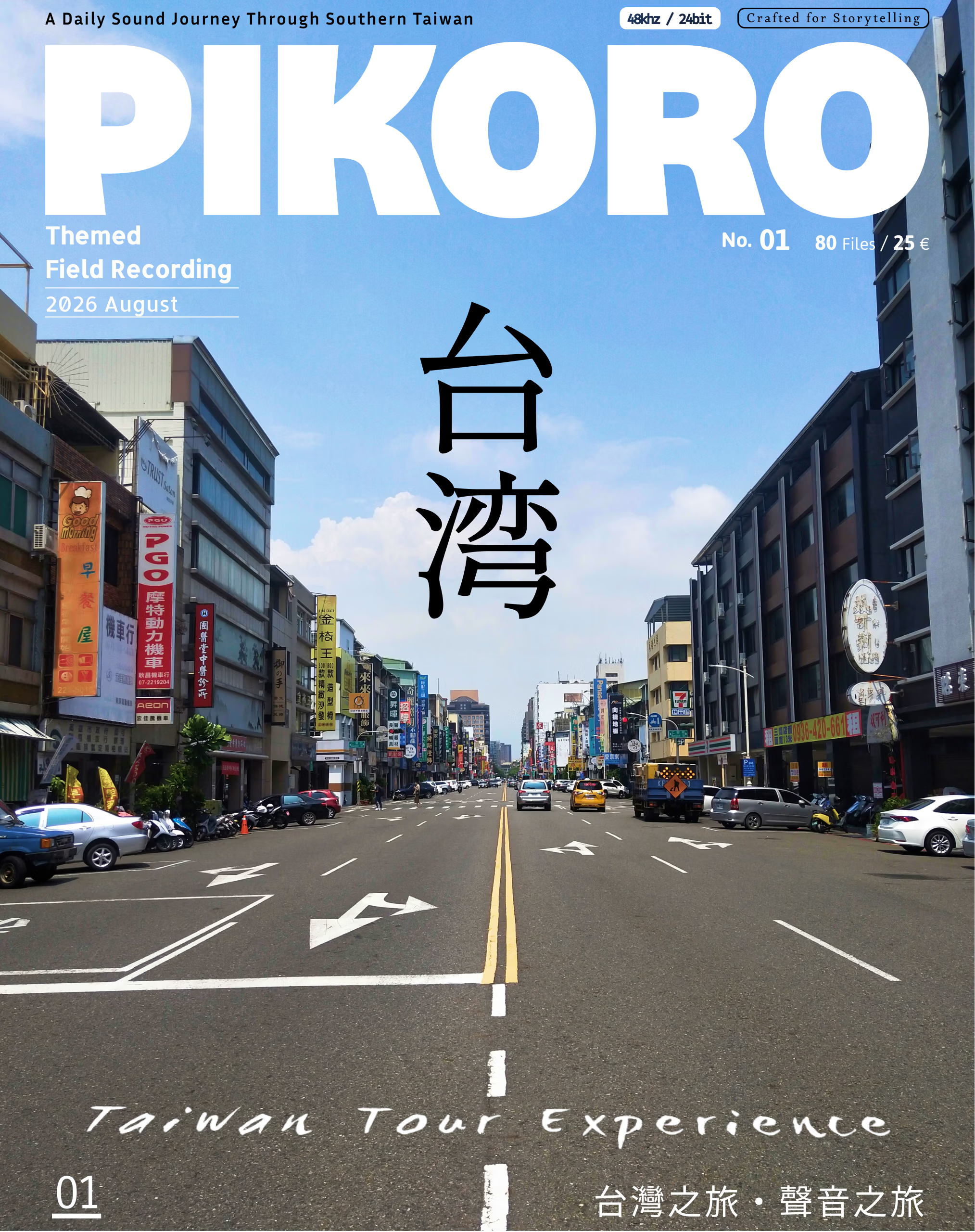
It is within this space of listening that our first sound library, Southern Taiwan Tour, takes shape. If you would like to get a sense of time as it was lived in Taiwan, I invite you to discover it.
This is the first Pikoro article, and, I hope, the first of many. I hope I have managed to spark a little curiosity about field recording and perhaps even inspired you to explore it further.